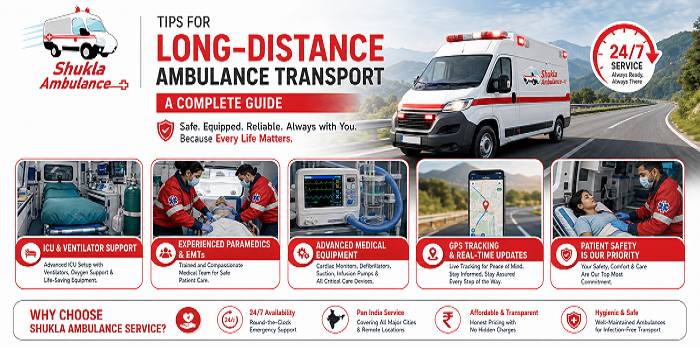
When a loved one needs to be moved between cities or states for specialized medical care, a regular local ambulance ride simply isn't built for the job. Long-distance medical transport involves different planning, different equipment, and a very different level of coordination. At Shukla Ambulance Service, we've handled hundreds of long-distance transfers, and we've put together this guide to help families and hospital staff understand exactly what to expect — and how to prepare — before booking one.
Long-distance ambulance transport refers to the medical transfer of a patient over an extended distance — often between cities, states, or even countries — rather than a short trip to the nearest hospital. Unlike a 911 emergency response, this type of transport is almost always planned in advance and used for non-critical, stable patients who still require medical supervision during travel.
Common situations include moving a patient from one hospital to another for specialized treatment, relocating an elderly parent closer to family, or transporting someone home after a hospital stay in a different city. This is sometimes called interfacility ambulance transport, since it usually involves moving a patient from one care facility to another rather than from an accident scene.
The key difference from emergency response is time: a long-distance transfer is scheduled, monitored, and managed with far more preparation than a sudden emergency call.
Not every hospital transfer requires a long-distance ambulance, but several common scenarios call for one:
• Interfacility transfers — moving a patient from a general hospital to a specialty center for advanced treatment (cardiac care, oncology, neurology, etc.)
• Patient relocation — bringing a patient home or closer to family after treatment in another city
• Discharge to a distant facility — moving someone to a rehabilitation center or nursing home that isn't nearby
• Medical travel — patients travelling for planned procedures who need supervised transport rather than a regular car or flight
If the patient is stable but still needs oxygen support, IV monitoring, or trained medical staff present during the journey, a non-emergency medical transport service like an ambulance is the safer and more appropriate choice compared to a private vehicle.
This is one of the most common questions families ask, and the right answer depends on three factors: distance, urgency, and the patient's medical condition.
Ground ambulances are typically the better choice when:
• The distance is a few hundred kilometers or less
• The patient's condition is stable and doesn't require a race against time
• Cost is a major consideration, since ground transport is generally more affordable
Air ambulances make more sense when:
• The distance is very long (interstate or international)
• The patient's condition could deteriorate, and needs a faster transfer
• Road conditions or traffic would significantly delay a ground trip
A trustworthy private ambulance service should be honest with you about which option actually fits your situation — not just upsell the more expensive one. At Shukla Ambulance Service, our team assesses the patient's condition first and recommends the safest and most cost-effective mode of transport accordingly.
Choosing the right provider matters even more for long trips, since the patient will be in that team's care for hours rather than minutes.
Always confirm the provider is licensed to operate a private ambulance service in your state and that their vehicles meet medical transport safety standards. Ask for proof if it isn't listed clearly on their website.
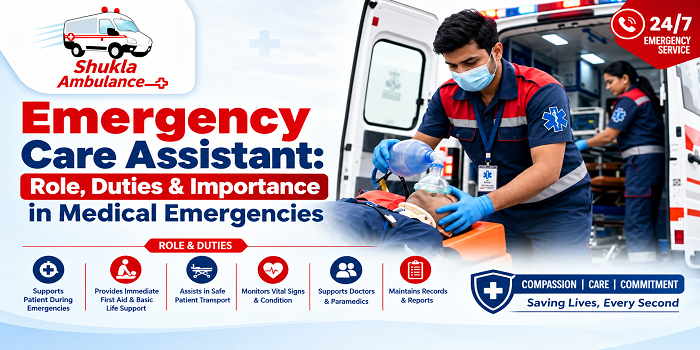
For longer trips, find out whether a trained paramedic, nurse, or EMT will be present for the entire journey, and what level of medical support they can provide if the patient's condition changes en route.
Long trips require more than a stretcher. Ask whether the vehicle carries an oxygen supply for the full duration, cardiac monitors, IV setup, and backup power for medical equipment.
A little preparation goes a long way toward making the trip smoother and safer:
• Medical records — recent reports, discharge summaries, and physician notes
• Medication list — current prescriptions and dosage schedule, plus a small supply for the trip
• Insurance documents — policy details and any pre-authorization paperwork required
• Comfort items — a blanket, pillow, or personal item that helps the patient feel at ease
• Emergency contacts — a family member's number the crew can reach at any point during the journey
Sharing this information with the ambulance team in advance helps them plan the route, rest stops, and any medical needs before the trip even begins.
Cost is understandably one of the biggest concerns for families, and it depends on a few variables:
Distance traveled — naturally, longer distances cost more in fuel, staffing hours, and vehicle time
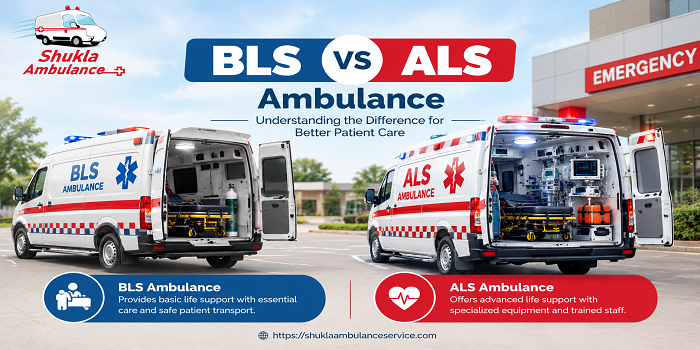
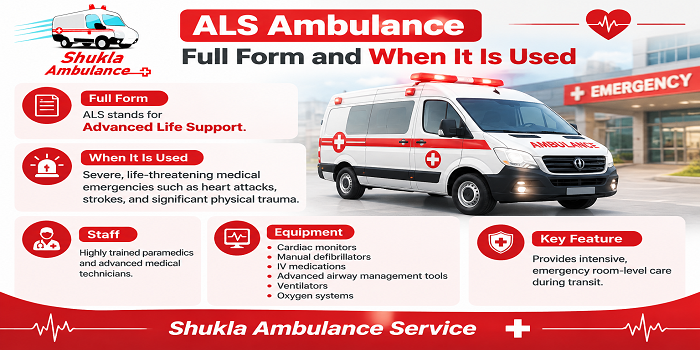
Level of medical staffing required — a basic life support crew costs less than an advanced life support team with a nurse or paramedic
Ground vs. air transport — air ambulances are significantly more expensive than ground options
Insurance coverage — some insurance plans partially cover non-emergency medical transport, so it's worth checking with your provider beforehand
Always ask for a clear cost breakdown upfront. A transparent private ambulance service should never surprise you with hidden charges after the trip.
Understanding what happens during a long-distance transfer can ease a lot of anxiety for families:
• Regular monitoring — vital signs are checked periodically throughout the trip
• Rest stops — for very long journeys, scheduled stops may be needed for both the patient's comfort and driver rest
• Family communication — many providers offer periodic updates so relatives know the trip is progressing safely
• Handover process — on arrival, the ambulance crew provides a full medical handover to the receiving hospital or facility staff, ensuring continuity of care
Knowing this in advance helps families feel more at ease handing over care to the transport team.
Long-distance ambulance transport isn't something most families plan for — but when the need arises, having the right information makes all the difference. From choosing between ground and air transport to preparing medical documents in advance, a little planning goes a long way toward a safer, smoother journey.
At Shukla Ambulance Service, we specialize in safe, well-equipped long-distance and interfacility ambulance transport, with trained medical staff present throughout the journey. If you're planning a transfer for a loved one, reach out to our team to discuss the safest and most comfortable option for your specific situation.