- Emergency No.: +91-6392957371 , +91-8858088251


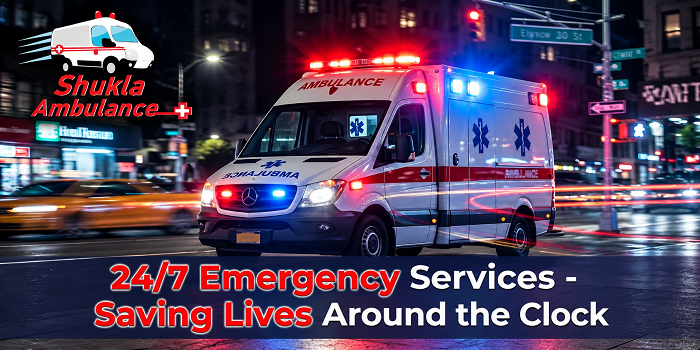
Medical emergencies can occur without warning, turning an ordinary day into a life-threatening situation within seconds. Whether it is a severe road accident, heart attack, stroke, respiratory distress, or any other critical health condition, immediate medical attention is essential. In such situations, Emergency Ambulance Services act as a lifeline, providing rapid medical assistance and ensuring patients receive timely treatment. These services are a crucial component of modern healthcare systems, helping bridge the gap between the emergency scene and the hospital.
The importance of Emergency Medical Services cannot be overstated. Every second counts during a medical crisis, and a delayed response can significantly impact a patient’s chances of survival. This is where 24/7 Ambulance Services play a critical role by offering immediate support whenever emergencies arise. Equipped with trained medical professionals and advanced medical equipment, ambulances provide much more than transportation—they deliver life-saving care on the move.
During emergencies, time is one of the most valuable resources. Conditions such as cardiac arrest, severe trauma, stroke, and respiratory failure require immediate intervention. A quick response from Emergency Ambulance Services can mean the difference between life and death. The faster a patient receives professional care, the greater the likelihood of recovery and reduced complications.
Many healthcare experts emphasize the “golden hour” following a traumatic injury. During this period, prompt treatment can dramatically improve survival rates. Through Fast Ambulance Response and Rapid Ambulance Dispatch, emergency teams can reach patients quickly and begin treatment before arriving at the hospital.
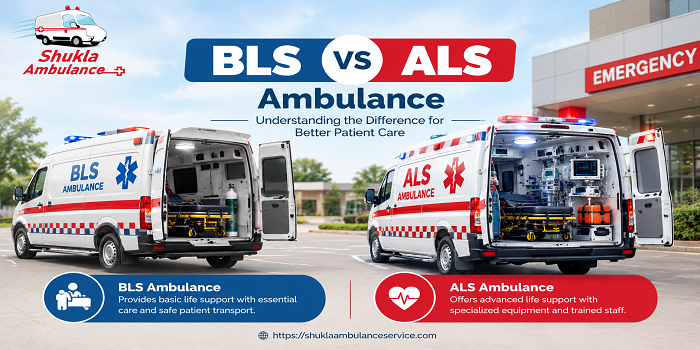
Modern ambulances are designed to function as mobile treatment units. Today’s Advanced Life Support Ambulance vehicles are equipped with sophisticated medical technology, including cardiac monitors, oxygen delivery systems, ventilators, defibrillators, infusion pumps, and emergency medications. These tools allow healthcare professionals to stabilize patients while en route to a medical facility.
In addition to advanced equipment, ambulances are staffed with highly trained paramedics and emergency medical technicians. These professionals provide Emergency Medical Assistance, administer medications, monitor vital signs, and perform critical procedures when necessary. Their expertise ensures that patients receive Advanced Emergency Care throughout transportation.
Road accidents remain one of the leading causes of severe injuries worldwide. Victims often suffer from fractures, head injuries, spinal trauma, internal bleeding, and other life-threatening conditions. In such situations, Road Accident Ambulance Service providers play a crucial role in delivering immediate medical support.
When emergency responders arrive at the scene, they assess injuries, provide first aid, control bleeding, stabilize fractures, and prepare patients for safe transportation. These Emergency Rescue Services help prevent further complications and ensure patients receive timely medical treatment. Effective Accident and Trauma Care significantly increases the chances of recovery and reduces the risk of long-term disability.
Heart-related emergencies require urgent attention and professional care. Conditions such as heart attacks, cardiac arrest, and severe chest pain can rapidly become fatal if treatment is delayed. Specialized Cardiac Ambulance Services are equipped to handle these situations with advanced cardiac monitoring systems and emergency life-support equipment.
Medical teams can perform CPR, monitor heart rhythms, administer medications, and use defibrillators when necessary. By delivering treatment before reaching the hospital, Life Support Ambulance units help improve patient outcomes and increase survival rates. Immediate intervention by Emergency Response Team members is often critical during cardiac emergencies.
A stroke occurs when blood flow to the brain is interrupted, causing brain cells to die within minutes. Quick diagnosis and treatment are essential to minimize brain damage and improve recovery outcomes. Emergency Patient Transport services ensure that stroke patients reach specialized healthcare facilities as quickly as possible.
Paramedics are trained to recognize stroke symptoms, including facial drooping, speech difficulties, confusion, and weakness on one side of the body. Early intervention through Emergency Healthcare Services can significantly reduce complications and increase the likelihood of a successful recovery.
Respiratory emergencies can develop suddenly and become life-threatening if not treated immediately. Conditions such as severe asthma attacks, allergic reactions, pneumonia, chronic obstructive pulmonary disease (COPD), and respiratory failure require prompt medical attention.
Modern Ventilator Ambulance Services and Critical Care Ambulance Services are equipped to provide oxygen therapy, airway management, and ventilator support. These specialized services ensure patients receive continuous respiratory assistance while being transported to healthcare facilities. The availability of Emergency Care Services during transit can make a critical difference in patient survival.
Not all patients can be transported using standard ambulances. Critically ill individuals often require specialized equipment and continuous monitoring. This is where ICU Ambulance Services become essential. These ambulances function as a Mobile Intensive Care Unit, offering advanced life-support systems and highly trained medical personnel.
Patients requiring ventilator support, cardiac monitoring, or intensive medical supervision benefit from Critical Patient Transportation services. Whether transferring patients between hospitals or responding to emergencies, these ambulances provide comprehensive medical care throughout the journey.
The success of Emergency Ambulance Services largely depends on the skills and dedication of medical professionals. Paramedics and emergency medical technicians are trained to assess medical conditions, provide immediate treatment, and make critical decisions under pressure.
These experts deliver Professional Paramedic Services that include administering medications, performing CPR, managing trauma injuries, and monitoring patient conditions. Their ability to act quickly and efficiently helps save countless lives every day. The presence of a trained Emergency Response Team ensures that patients receive expert care from the moment help arrives.
Technological advancements have transformed the way ambulance services operate. GPS tracking systems enable Rapid Ambulance Dispatch, helping emergency teams identify the fastest routes to patients and hospitals. Real-time communication between ambulances and healthcare facilities ensures that hospital staff are prepared before the patient arrives.
Digital health records, telemedicine support, and advanced monitoring systems further enhance the effectiveness of Medical Transportation Services. These innovations improve coordination, reduce delays, and ensure patients receive high-quality care throughout the emergency response process.
In addition to emergency response, ambulances play a vital role in Hospital Transfer Ambulance operations. Patients requiring specialized treatment at another facility often need professional medical supervision during transportation. Patient Transfer Ambulance services ensure that individuals remain stable and comfortable throughout the transfer process.
These services are especially beneficial for elderly patients, critically ill individuals, and those recovering from surgery. Reliable Emergency Medical Transportation and Urgent Medical Transport solutions help maintain continuity of care and ensure patient safety.
In situations where ground transportation may be too slow, Air Ambulance Services provide a faster alternative. These services are particularly useful in remote areas, disaster zones, and situations requiring rapid transfer to specialized healthcare centers.
Air ambulances are equipped with advanced medical technology and staffed by experienced healthcare professionals. They offer a high level of medical care while significantly reducing travel time, making them an essential component of modern emergency healthcare systems.
The role of Emergency Ambulance Services extends far beyond transportation. They provide immediate medical care, rapid response, and critical support during some of the most challenging moments in a person’s life. From Road Accident Ambulance Service responses and Cardiac Ambulance Services to Critical Care Ambulance Services, ICU Ambulance Services, and Air Ambulance Services, these healthcare professionals work tirelessly to save lives every day.
With advanced equipment, highly trained staff, and efficient Emergency Medical Services, ambulance providers ensure patients receive the care they need when every second matters. As healthcare systems continue to evolve, investment in Emergency Healthcare Support, Emergency Patient Care, and Emergency Hospital Transportation will remain essential for improving survival rates and enhancing public health outcomes.