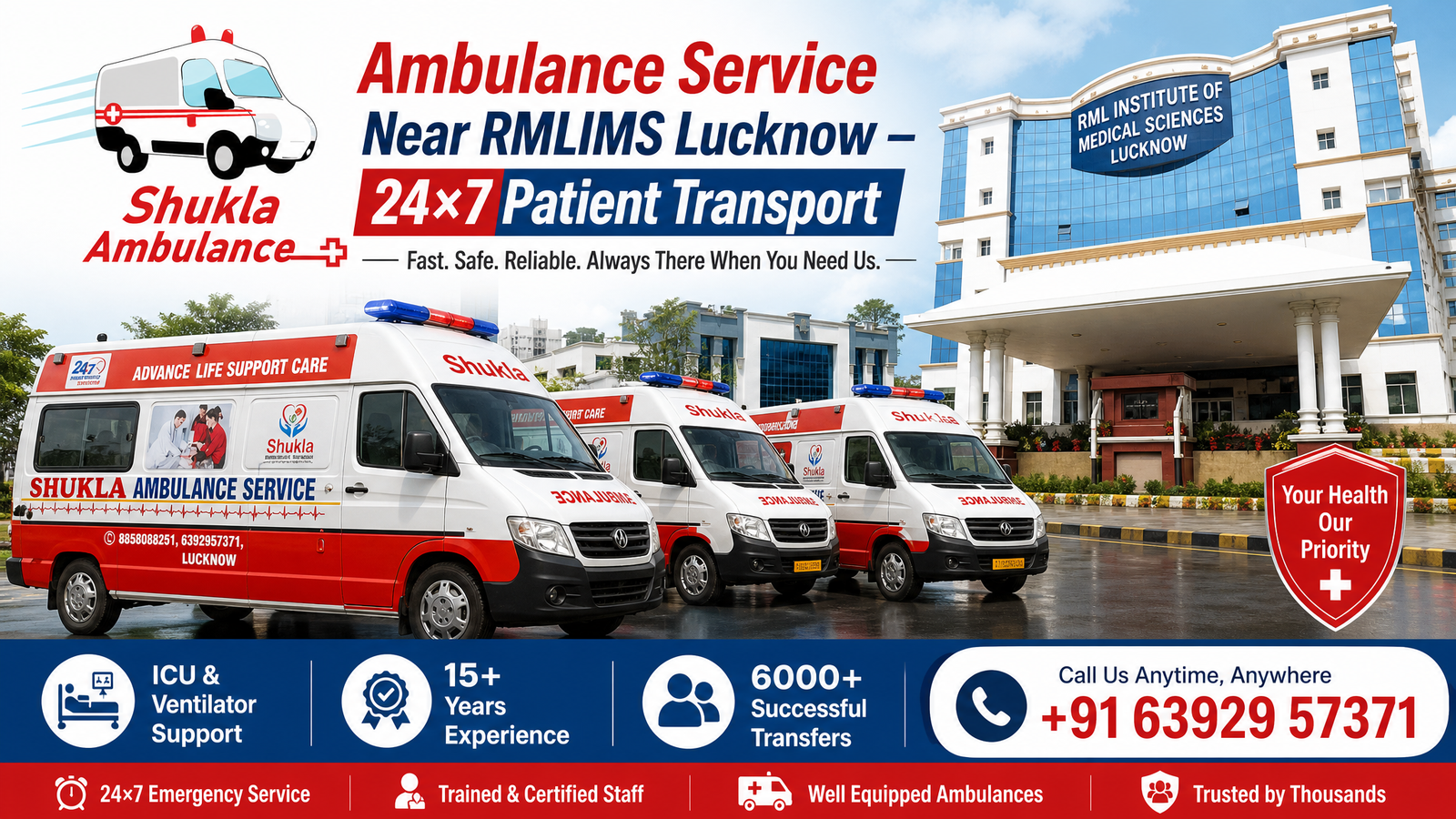
In a medical emergency, the patient should the hospital as fast as possible, but the patient's condition during the ambulance ride is equally critical. A lot of severe health issues can arise while the patient is being moved, particularly if adequate care and monitoring are not given. Therefore, continuous patient monitoring during ambulance transport is indispensable to saving lives.
Shukla Ambulance gives care that is safe and reliable throughout the journey. The necessary medical equipment is fitted in our ambulances, and our trained staff is giving close monitoring to vital signs such as breathing, oxygen levels, and overall condition. Our priority, from picking up the patient to safe handover at the hospital, is to keep the patient stable, comfortable, and secure.
Shukla Ambulance ensures that patients get proper medical care even before they reach the hospital through timely response, trained medical support, and continuous monitoring.
Many people assume ambulance services only provide transport. This is a common misunderstanding. Without proper monitoring, a patient’s condition can suddenly worsen on the way.
Monitoring during ambulance transport helps to:
• Detect sudden health changes early
• Prevent medical complications
• Provide timely emergency treatment
• Improve patient survival and recovery
With Shukla Ambulance, every ambulance service is designed to provide care—not just speed.
The moment a patient steps into the ambulance the monitoring begins and it lasts until he/she reaches the hospital.
The most important monitoring activities are as follows:
• Blood pressure and pulse are to be checked
• Oxygen levels are to be monitored
• Breathing patterns are to be observed
• Pain, shock or distress signs are to be watched
• Patient communication is to be maintained
Such continuous monitoring is a significant factor in the risk reduction during patient transport.
Equipment alone cannot save lives—trained medical staff are equally important. Without proper training, machines can be misused or warning signs missed.
Trained staff at Shukla Ambulance:
• Read and understand vital signs correctly
• Respond quickly to emergency alerts
• Administer first aid and emergency medicines
• Keep patients calm and comfortable
This expertise ensures safe ambulance transport even in critical cases.
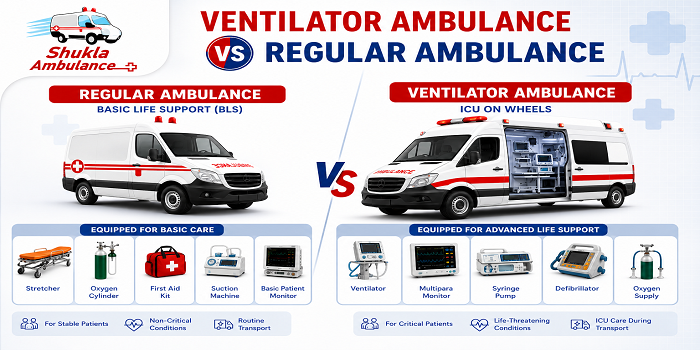
A ventilator ambulance is necessary in instances when a patient is unable to breathe without assistance. Such cases demand constant supervision during the entire trip.
In ventilator ambulance services, monitoring is performed in the following ways:
• Oxygen saturation is monitored constantly
• The working of the ventilator is monitored
• Heartbeat rate and BP are monitored
• Any issues concerning breathing are taken care of instantly
Shukla Ambulance offers ventilator ambulance services with adequate monitoring to make sure that ICU-level care is provided on the road.
In emergencies such as heart attack, stroke, or accidents, patients can deteriorate quickly if not monitored closely.
Common problems without proper monitoring:
• Sudden breathing failure
• Drop in blood pressure
• Cardiac complications
• Increased stress for family members
Shukla Ambulance solves these problems through trained staff and real-time patient monitoring in every ambulance.
Medical risks due to travel time are increased by long-distance transfers. These cases require monitoring more than ever.
Monitoring during long trips helps:
• Continuous tracking of patient condition
• Tiredness and discomfort management
• Treatment adjustment if needs
• Safe handover at the destination hospital
Our ambulance services are ready for patient transport, both short and long-distance.
Although a dead body ambulance does not involve patient monitoring, it requires careful handling, hygiene checks, and dignity.
Shukla Ambulance ensures:
• Respectful handling of the deceased
• Proper temperature management (freezer box if needed)
• Clean and safe transport
• Support for grieving families
We understand the emotional responsibility involved in such services.
At Shukla Ambulance, we follow strict standards of experience, expertise, and trust.
Our focus includes:
• Trained and experienced medical staff
• Regular equipment checks
• Advanced ambulance and ventilator ambulance setup
• Patient-first approach
• Transparent and reliable services
This commitment ensures safe and dependable ambulance services.
People choose us because we provide more than just transport.
Shukla Ambulance offers:
• Emergency ambulance services
• ICU and ventilator ambulance
• Long-distance patient transfers
• Dead body ambulance services
• Continuous patient monitoring
We are available 24/7 to support you during critical moments.
Monitoring patients during ambulance transport is a life-saving process that prevents emergencies from turning into tragedies. Choosing an ambulance service with proper monitoring, trained staff, and advanced equipment is essential.
With Shukla Ambulance, you receive safe transport, professional care, and peace of mind—from door to hospital.